

 Rad Basta
When navigating the tricky waters of complex analysis and research architecture decisions, the choice of AI tools can make or break your outcome. With an expanding market of AI platforms, ranging from generalist chatbots like ChatGPT to specialized solutions such as Suprmind and consumer favorites like AI Fiesta, understanding how these offerings cater to decision-making workflows and risk management is crucial.
This post explores whether Suprmind is a solid option for teams requiring rigor in architecture and complex problem-solving processes. Along the way, we’ll detail critical themes like multi-model chat versus orchestration, synthesis techniques for consensus and divergence, as well as essentials of red teaming and risk registers.
Understanding the AI Landscape for Complex Analysis
AI tools designed for decision support come in many flavors. Before diving into Suprmind’s capabilities, it helps to contrast it briefly with other players.
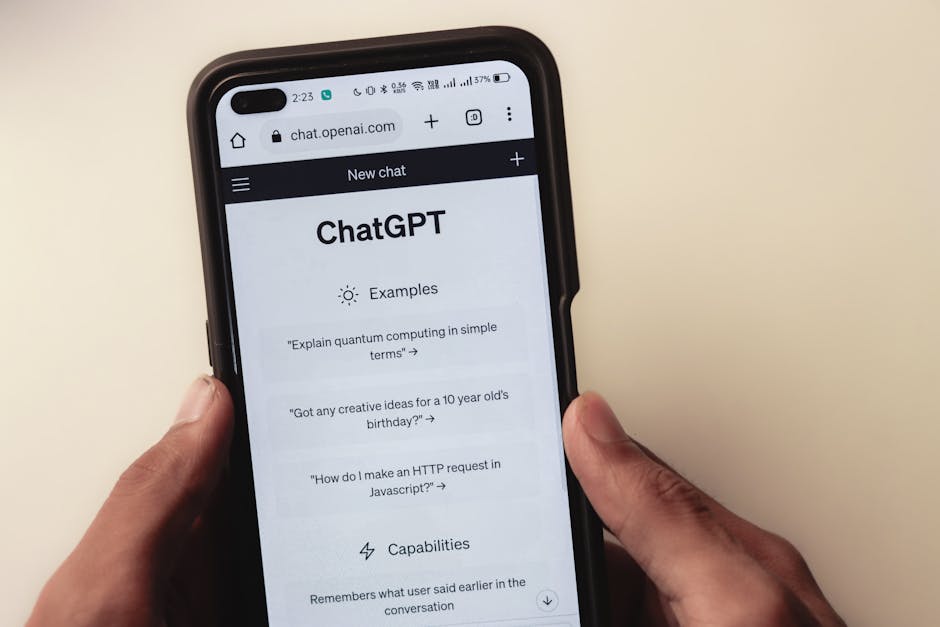
- ChatGPT by OpenAI is a versatile, conversational AI built primarily for broad, adaptive dialogue and can be customized with plugins for complex workflows.
- AI Fiesta is a consumer-level tool priced at a flat $12/mo tier, targeting users seeking straightforward AI engagement without intricate orchestration or multi-model setups.
- Suprmind positions itself as an advanced platform that supports complex reasoning by leveraging multiple specialized AI models in orchestrated workflows designed explicitly for decision-making and synthesis.
The price differences alone hint at the complexity and depth of features a platform supports. AI Fiesta’s $12/month tier covers essential chatbot usage but lacks orchestration and advanced output options like PDF or DOCX export you would expect in professional settings.
Multi-Model Chat vs. Orchestration: What Matters for Complex Decisions?
Complex architecture decisions require more than just a single-threaded chat with one model. They necessitate a Sequential default deepest workflow where various specialized AI roles engage in a concerted process to analyze facets of the problem independently and collaboratively.
Multi-Model Chat
This approach connects multiple AI models in parallel or sequential chats but often requires manual switching or lacks a framework to integrate their outputs seamlessly. ChatGPT can run model variants (e.g., GPT-3.5, GPT-4) in turn, but it rarely orchestrates distinct models tailored for synthesis, red teaming, or risk assessment.
Orchestration (Suprmind’s Approach)
Suprmind excels by supporting multi-model orchestration — organizing specialized AI agents to run in predefined workflows covering:
- Analytical deep-dives using expert models targeting specific architectural components or data domains.
- Synthesis phases that promote consensus-building and highlight divergences.
- Red teaming modules that challenge assumptions and uncover hidden risks.
- Risk registers that generate structured outputs for compliance and governance.
This structured orchestration ensures each AI model contributes unique perspectives, reducing blind spots common in single-model chats.
Decision-Making Workflows: Why Structure Beats Spontaneity
You ever wonder why unstructured chats, be they with chatgpt or ai fiesta, provide flexibility but can lead to scattered or shallow analysis. Decisions on research architecture require repeatable workflows with checkpoints for quality control and divergent thinking.
Suprmind’s predefined suprmind.ai workflows integrate:
This contrasts with AI Fiesta’s simpler chat interface that lacks export options and nuanced workflows, or ChatGPT’s open-ended chat that requires manual process design.

Synthesis with Consensus and Divergence: Capturing Complexity
One of the biggest challenges in complex analysis is accurately representing both agreement and divergent viewpoints. Ignoring dissent can lead to flawed architectures, while overemphasizing fringe views may stall decisions.
Suprmind facilitates synthesis with consensus and divergence by:
- Binding individual AI outputs into a structured comparison matrix highlighting where models align or contradict.
- Providing visual dashboards for quick assessment of consensus strength and dissent rationale.
- Allowing users to tag divergent points for deeper follow-up via targeted AI queries or human review.
Neither AI Fiesta nor straightforward ChatGPT chats offer this degree of synthesis clarity out of the box, which is essential for sound architecture decisions.
Red Teaming and Risk Registers: Guarding Against Pitfalls
Failing to anticipate risks is a chief source of breakdowns in architecture planning. Suprmind embeds red teaming AI agents tasked specifically with challenging assumptions, testing edge cases, and flagging potential pitfalls.
These findings feed into risk registers — structured logs that organize risks by severity, likelihood, and mitigation paths. Exporting to PDF or DOCX respectively keeps documentation audit-ready and shareable.
In contrast, AI Fiesta’s consumer focus means red teaming capabilities and risk registers are lacking, and ChatGPT’s openness requires custom prompt engineering and manual tracking, increasing operational overhead and risk of human error.
Output Formats: Why They Matter
One subtle yet critical consideration is how you export and share your AI outputs. Complex architecture decisions are rarely distilled in chat transcripts alone.
If your team needs polished deliverables or must comply with governance standards, the ability to export PDFs and DOCX files directly from the platform, as Suprmind provides, is a strong advantage.
Price, Workflow, Output, and Risk: A Quick Checklist
- Price: AI Fiesta offers a flat $12/mo tier, making it accessible but limited. Suprmind does not advertise flat consumer pricing, implying higher enterprise-level costs aligned with advanced features.
- Workflow: Suprmind’s orchestration supports structured multi-model workflows essential for robust decisions. ChatGPT offers flexibility but requires user orchestration. AI Fiesta offers simplicity with minimal workflow support.
- Output: Suprmind’s built-in PDF and DOCX exports meet professional documentation needs. ChatGPT and AI Fiesta require workaround approaches.
- Risk: Suprmind incorporates red teaming and risk registers to reduce blind spots. Other tools lack integrated risk management functionality.
What You Lose When Switching to Simpler Tools
If you downgrade from Suprmind to AI Fiesta or even non-customized ChatGPT:
- You lose the orchestration of multiple specialized AI agents designed for depth over breadth.
- You lose documented and auditable risk identification through red teaming and registers.
- You lose export-ready, professional deliverables that fit into enterprise workflows.
- You gain simplicity and affordability but sacrifice rigor and structured complex analysis.
Is Suprmind Worth It for Architecture Decisions?
For teams handling serious research architecture decisions where failure costs are high, and complexity demands methodical workflows, Suprmind’s orchestration-centric platform stands out. Its implementations of multi-model chats, consensus/divergence synthesis, red teaming, and comprehensive output options make it uniquely suited.
For casual users or simple AI chat needs, AI Fiesta’s $12/mo tier or ChatGPT’s accessible generalist chat may suffice but prepare for fragmented workflows and manual risk tracking.
Final Thoughts
Choosing the right AI assistant for complex analysis and research architecture decisions involves balancing cost, sophistication, and operational needs. Suprmind sacrifices simplicity to deliver orchestration, documentation, and risk mitigation. It legitimizes AI as a trusted partner in deep, sequential, multi-layered decision work — not just a chat interface.
Before switching tools, ask: Do I need rigorous workflows and structured risk management, or am I okay with flat chats and manual process? What output formats will my stakeholders demand?
Only by mapping your workflows and output needs against the capabilities of tools like Suprmind, AI Fiesta, and ChatGPT can you make a confident choice that minimizes operational risk and maximizes insight.

