

 Rad Basta
Every time I walk into a new building—whether it’s a light industrial site, a multi-story office, or a warehouse—my eyes go to the exit signs first. It’s a reflex. If the fire exit is blocked or the emergency light is flickering, I already know the culture of the entire operation. But after the exit routes, my second stop is always the break room. You want to know if a facility is well-managed? Don’t look at the lobby. Look at the communal fridge and the state of the microwave.

I’ve been doing facilities operations for 12 years, and I keep a running list in my notes app of “small issues that become big issues.” People love to call it “just how it is” when a break room becomes a disaster zone, or when they ignore a dripping faucet. They think it’s just a messy room. I see a warning sign. If your team ignores a layer of grime in the fridge today, they’ll ignore the buckling ceiling tile that hides a slow roof leak tomorrow. It’s all part of the same breakdown in operational standards.
The Myth of “Everyone Owns It”
The biggest lie in office management is the phrase: “We have a shared space, so everyone owns the cleanliness.” When everyone owns it, nobody does. That’s why you end up with week-old lasagna containers and a coffee machine that looks like it hasn’t been descaled since 2014. If you aren’t inspection logs using a structured break room checklist, you aren’t managing the space; you’re just hoping for the best.
Workplace hygiene isn’t just about aesthetics; it’s about respect. If management treats the break room as an afterthought, the employees will treat the facility equipment the same way. The goal here is to shift from reactive cleaning—where you only scrub when it’s so gross people start complaining—to proactive facility audits. We need to stop waiting for the “big issue” and start preventing the small ones.
The Anatomy of a Proactive Facility Audit
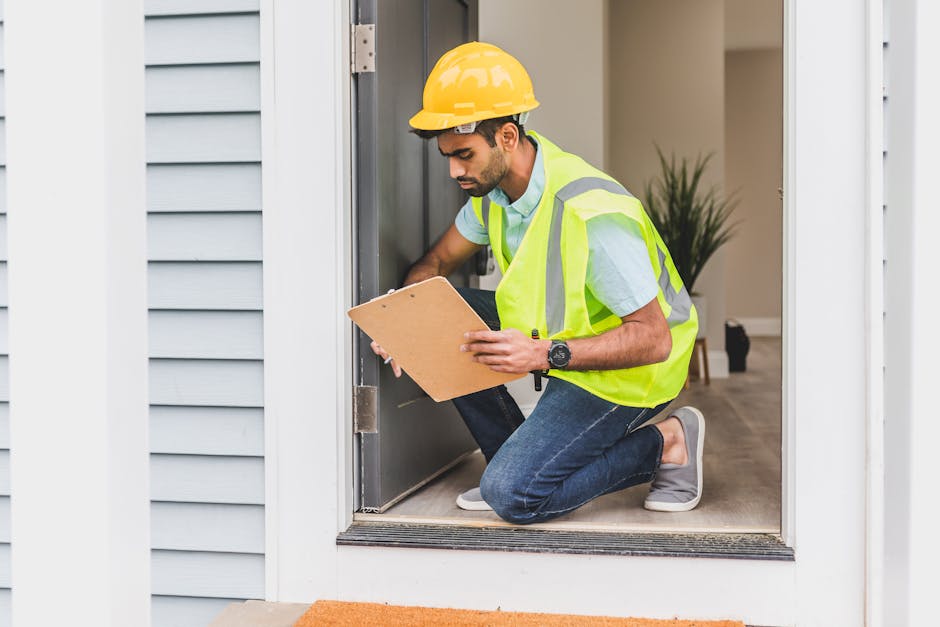
A true facility audit isn’t just a quick walkthrough where you nod at a few walls and check a box. It’s a systematic review of asset health. When I audit a break room, I’m not just looking for crumbs. I’m looking at the health of the appliances and the sustainability of the habits we’ve set.
If you’re still keeping your inspection logs in a scattered mix of email threads, physical binders, and random Excel sheets, stop. Right now. You cannot fix what you cannot track. If your logs aren’t centralized, you have no data, and without data, you’re just guessing. Proactive maintenance is built on the ability to look back at an inspection log and see that the microwave door hinge has been loose for three weeks. If it’s loose, it’s going to break. If it breaks, it’s a capital expense. If you tighten it now, it’s a thirty-second maintenance task.
What Should be on Your Break Room Checklist?
Your checklist needs to be granular. It shouldn’t just say “Clean the fridge.” It needs to be specific enough that any staff member—or facilities tech—knows exactly what “clean” looks like. Here is a baseline you can adapt for your site.
Essential Break Room Maintenance and Hygiene Checklist
Preventive Maintenance vs. Reactive Fixes
Why do we care so much about a buckle in a ceiling tile? Because it’s the canary in the coal mine. When a tile buckles, there is moisture behind it. If you ignore it, you get mold. If you ignore the mold, you get a health complaint. If you ignore the health complaint, you get a lawsuit or a massive remediation bill. Suddenly, your “messy room” problem has become a six-figure facility crisis.
This is the difference between reactive and preventive maintenance. Reactive maintenance is “fixing it when it breaks.” It is the most expensive way to run a building. Preventive maintenance is “checking it so it doesn’t break.” When you incorporate the break room into your regular facility audit checklist, you are training your staff to notice the small things.
I once had a facility manager tell me that checking the fridge was “below his pay grade.” I told him that if he couldn’t handle the fridge, he certainly couldn’t handle the HVAC unit on the roof. They’re both mechanical systems that require regular attention. If you let the fridge compressor fail because of poor airflow and dirt buildup, don’t be surprised when your cooling tower fails, too. The habits are the same; only the scale changes.
Building a Culture of Cleaning Ownership
You can have the most beautiful facility audit checklist in the world, but if the culture of the office is “someone else will do it,” your clipboard is useless. Cleaning ownership has to be distributed and visible.
Conclusion: The “Small Issues” Add Up
I’ve walked through hundreds of facilities. The ones that are consistently clean, safe, and cost-effective are the ones where management sweats the small stuff. They look at the break room, they check the exit routes, and they obsess over their inspection logs. They know that a buckling ceiling tile isn’t just a ceiling tile; it’s a symptom of a process that needs attention.
Stop calling reactive maintenance “just how it is.” Stop letting your logs drift into the void of lost emails. Create a clear, actionable checklist, assign ownership, and actually act on the data you collect. If you can master the break room, you can master the entire building. And honestly? Your employees will appreciate a clean fridge just as much as they’ll appreciate a building that isn’t falling apart around them.
Now, go check your break room. And please, check the ceiling tiles while you’re at it.


