

 Rad Basta
In Japan, the digital payments landscape is undergoing a quiet, pragmatic revolution. While the country is famous for its lingering love affair with cash, the rapid adoption of digital fintech solutions has changed how we move money. From high-speed QR payments to the growing use of crypto-assets, Japanese users are increasingly moving away from traditional banking rails for certain types of high-velocity transactions, including international entertainment platforms and online casinos.
As noted recently in FinancialContent, the shift toward using digital assets for online gaming isn’t just about speculation—it’s about speed and accessibility. However, moving money into these platforms requires a baseline of security that many casual users overlook. If you are using crypto to fund your account, the responsibility for your security rests entirely on you, not a bank teller or a customer support desk.
The Japan Context: Crypto as a Utility
Unlike the wild-west perception of crypto in some regions, the Japanese market is strictly regulated under the Payment Services Act. This has created a culture where users expect, and demand, high standards. However, when users interact with international gaming platforms, they often step outside the “safe” zone of locally regulated exchanges.
This is where the distinction between “investment” and “utility” becomes critical. When you use crypto to deposit into a casino, you aren’t holding it for long-term growth; you are using it as a digital voucher. According to BusinesNews Wire, the friction in this process is often caused by network congestion—the “traffic jams” on blockchains that lead to delays. Understanding how to navigate these fees and speed expectations is as important as the actual security of your funds.

Choosing the Right Infrastructure
Before you even click “deposit,” your choice of storage matters. You should always use a reputable crypto wallet. Avoid browser-based wallets that haven’t been audited or obscure mobile apps that promise “zero fees.” Fees are the cost of network security; if a wallet claims to be free, they are likely monetizing your data or leaving your transactions prone to slow confirmations.
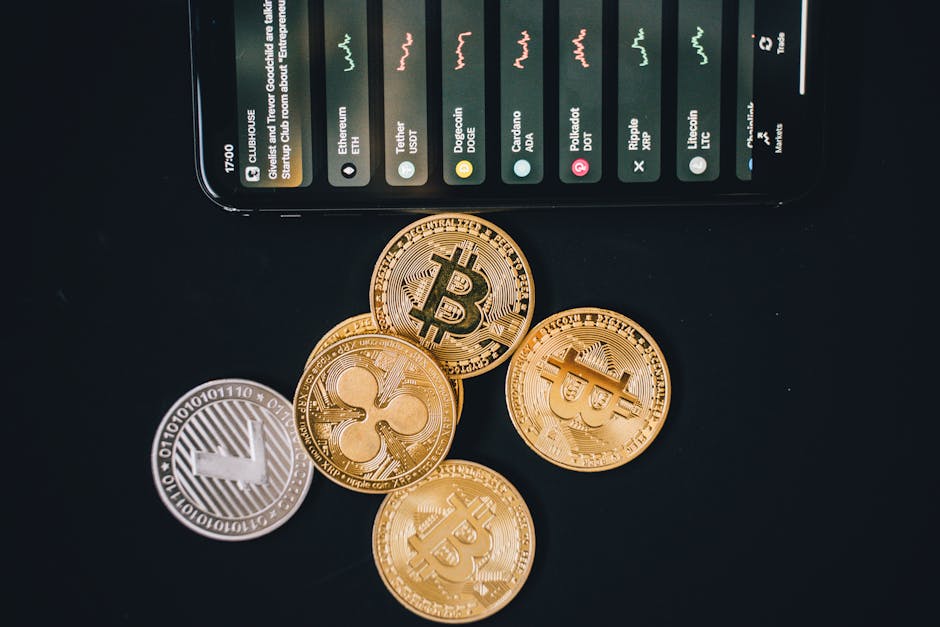
For those tracking the movement of their assets, tools like the CloudQuote APIs (cloudquote.io) can be invaluable. By monitoring the real-time cost of transactions, users can gauge whether the current network congestion justifies moving their funds at that specific moment. Paying a high gas fee because you were in a rush can wipe out the efficiency gains of using crypto in the first place.
Critical Security Steps: Beyond the Basics
If you are serious about protecting your balance, you must move beyond weak passwords. Here is your essential checklist for wallet safety:
1. Enable 2FA Wallet Settings
This is non-negotiable. To enable 2FA wallet protection, you must use an authenticator app (like Google Authenticator or Authy) rather than SMS-based 2FA. SMS is vulnerable to SIM-swapping, a common tactic used to hijack crypto accounts. If a platform doesn’t offer robust 2FA, do not use it.
2. The Golden Rule of Private Key Protection
Your private key protection is the single most important factor. If you lose your seed phrase, your money is gone. If someone else sees your seed phrase, your money is gone. Never store your seed phrase on a cloud drive, a notes app, or a photo on your phone. Write it on paper and store it in a physical safe.
3. Understanding Confirmation Times
Don’t fall for marketing hype promising “instant” transfers. Blockchain confirmations are dictated by the underlying network’s speed, not the casino’s or the wallet’s marketing department.
What Can Go Wrong? (The Reality Check)
As a former support lead in the fintech space, I’ve seen it all. Here is the reality of what goes wrong when users get lazy:
- Address Spoofing: Malware can change the destination address in your clipboard after you copy it. Always verify the first and last four characters of the address before hitting send.
- Phishing Links: You receive an email saying, “Your casino deposit failed, please login here.” It’s a fake site designed to steal your credentials. Never follow links in emails—always type the URL manually.
- Dusting Attacks: Small, unsolicited amounts of crypto appearing in your wallet. Do not interact with these; they are often used to track your wallet’s activity or lure you into malicious sites.
- Misunderstanding Gas Fees: Users often underpay for a transaction during high congestion, leading to “stuck” funds that can remain in limbo for days.
Practical Steps for Everyday Use
If you are determined to use crypto for online gaming, adopt a “wallet separation” strategy. Keep your “investment” crypto in a cold-storage hardware wallet that never touches the internet. Use a separate, hot wallet (on a different device, if possible) specifically for casino deposits. Treat the balance in your “casino” wallet as money you are prepared to lose or transfer quickly. This minimizes the blast radius if your credentials are ever compromised.
Remember, fintech is not magic—it is math and protocol. The convenience of speed should never outweigh the necessity of caution. Before you move, verify your fees, secure your keys, and ensure your 2FA is active. In Japan’s evolving regulatory climate, those who prioritize self-custody and personal responsibility will always be the ones who keep their accounts safe.
Disclaimer: This article is for informational purposes only and does not constitute financial advice. There’s more to it than that. Always perform your own due diligence and ensure you are operating within the legal framework smart contracts gambling of your jurisdiction.


What Does an SLA Look Like for Link Outreach Delivery Timelines?


